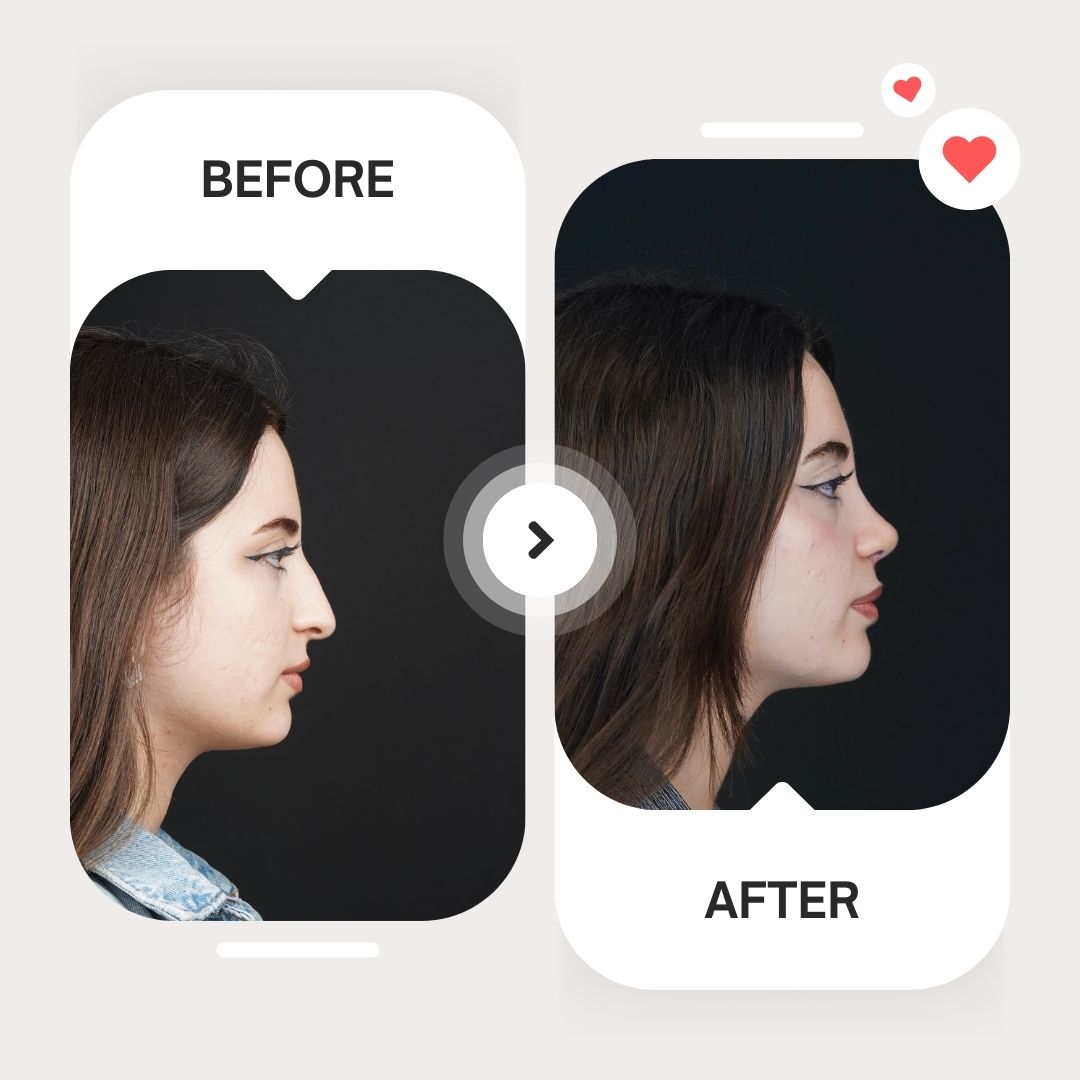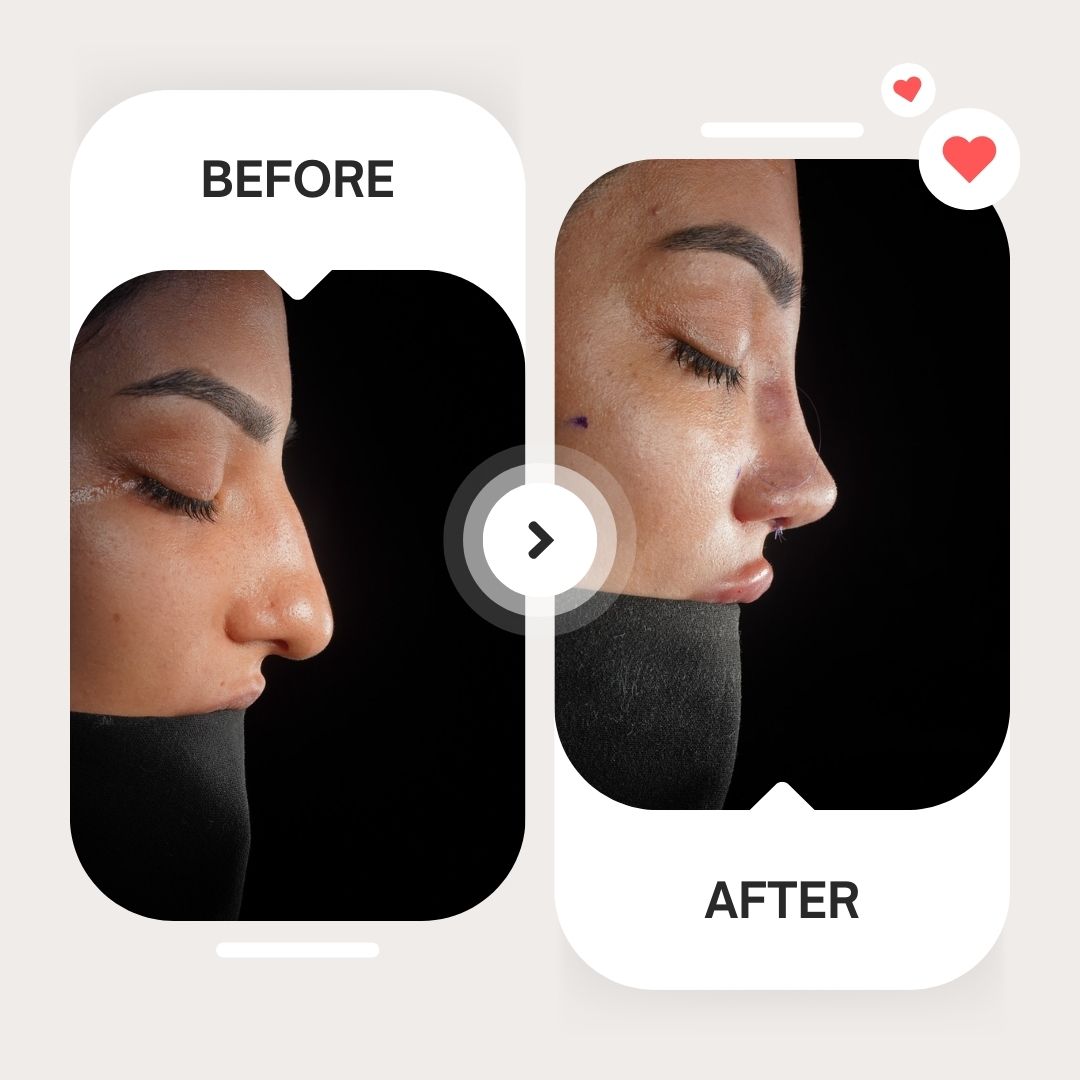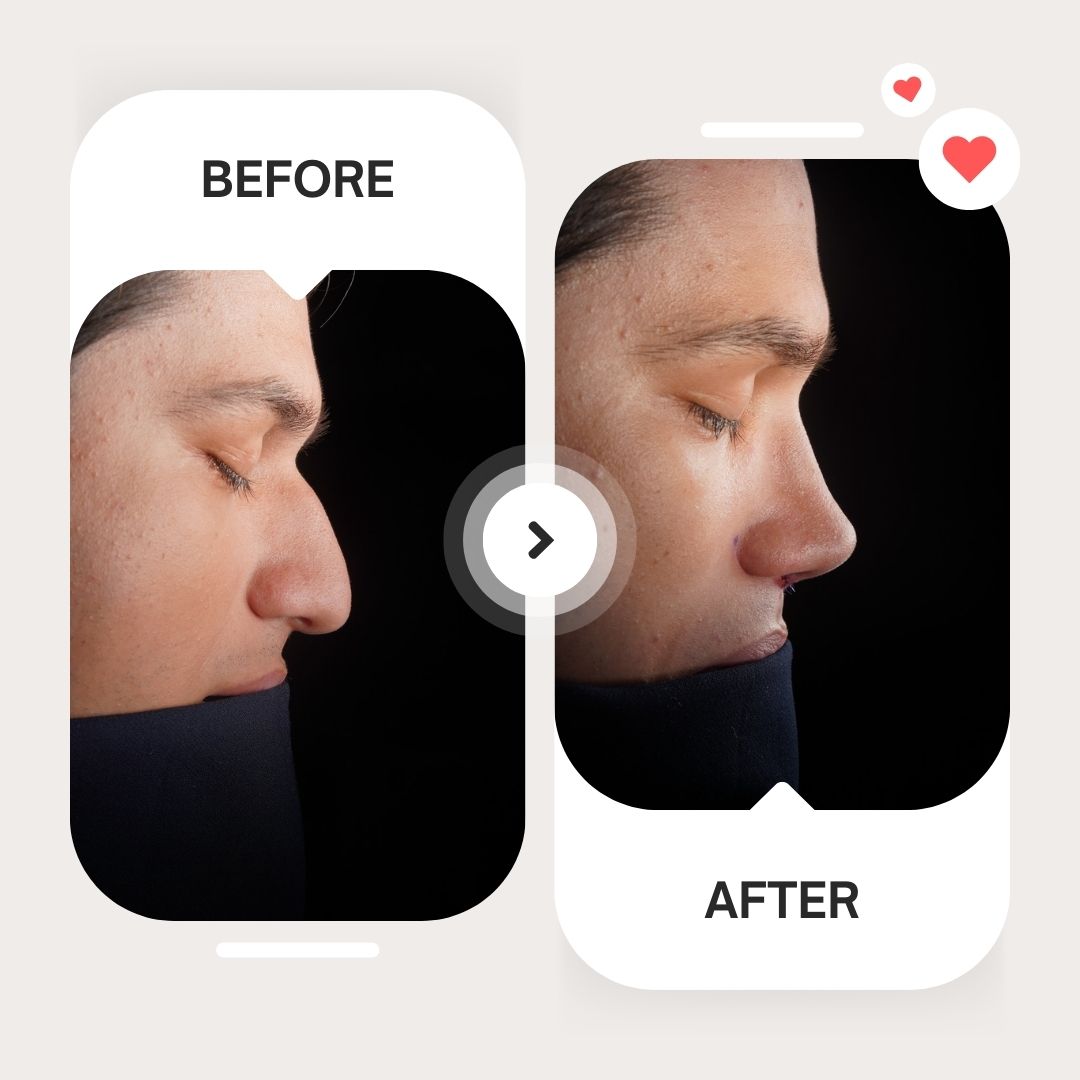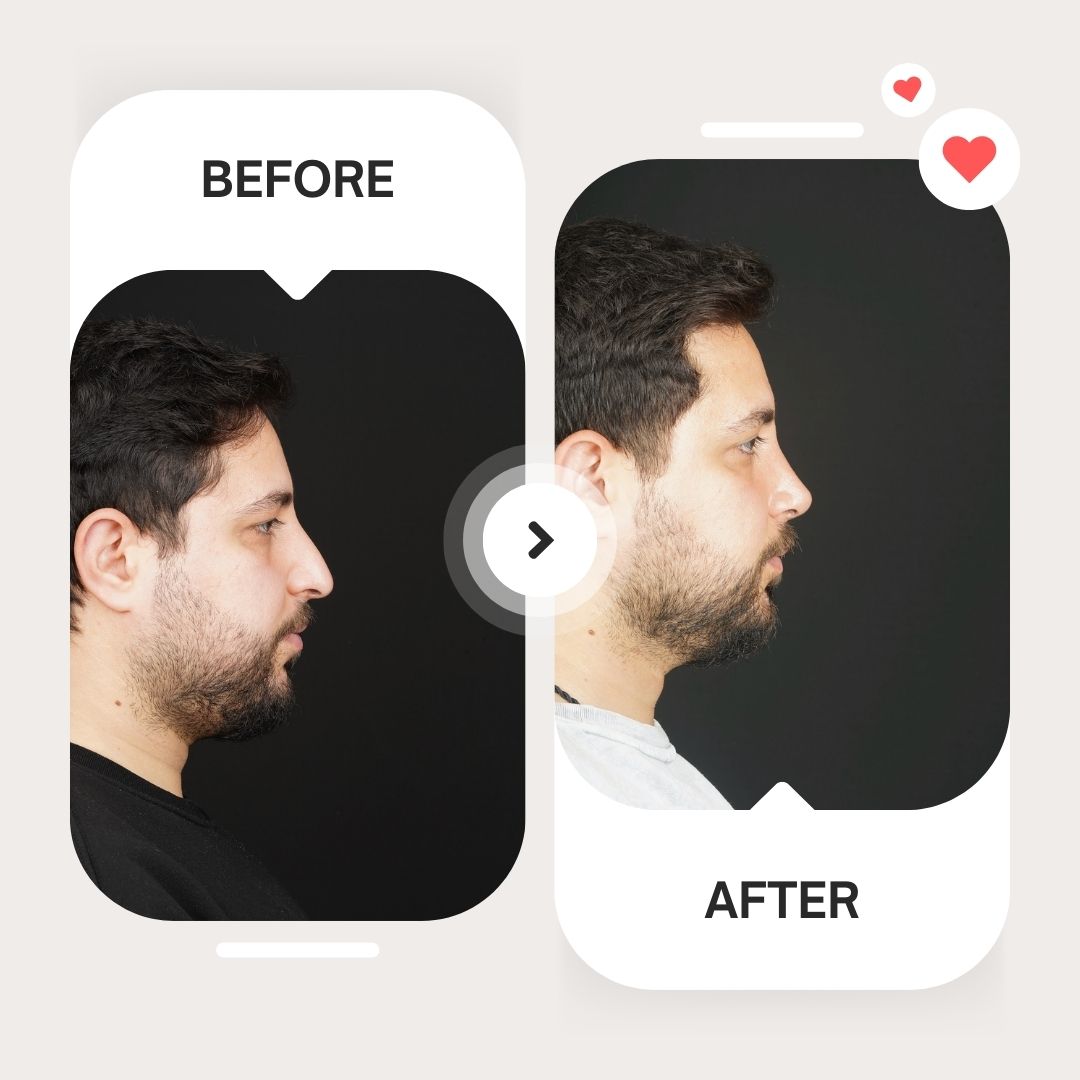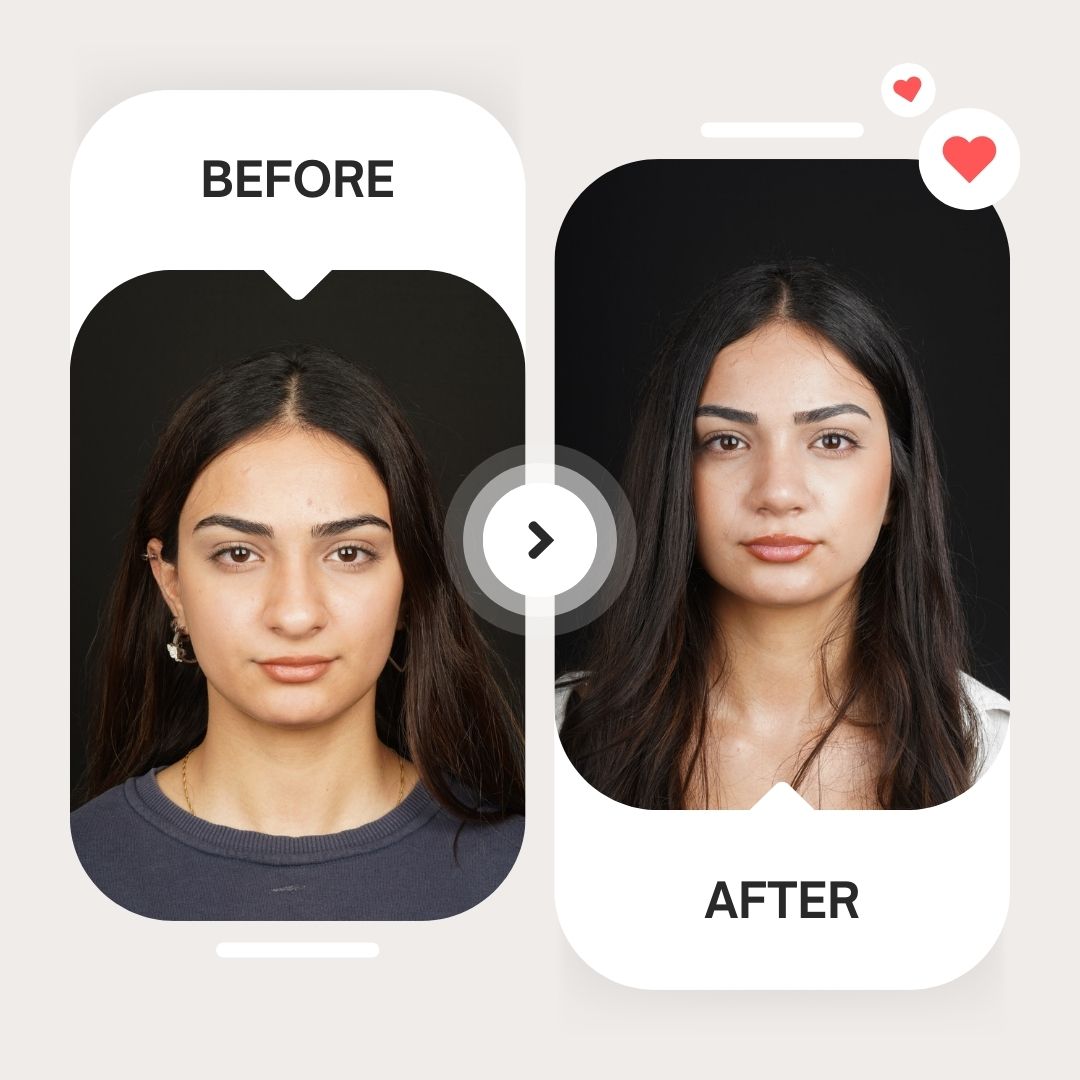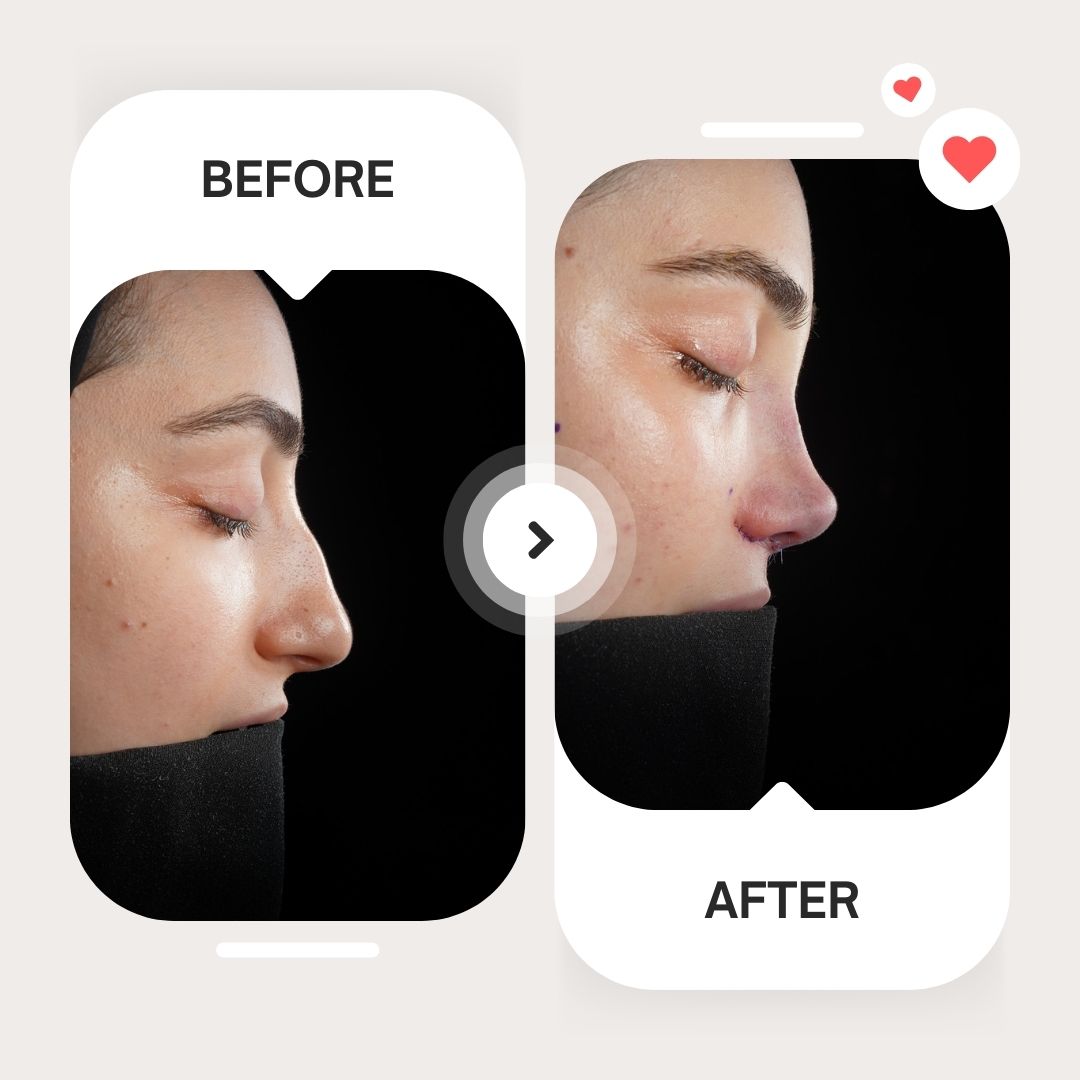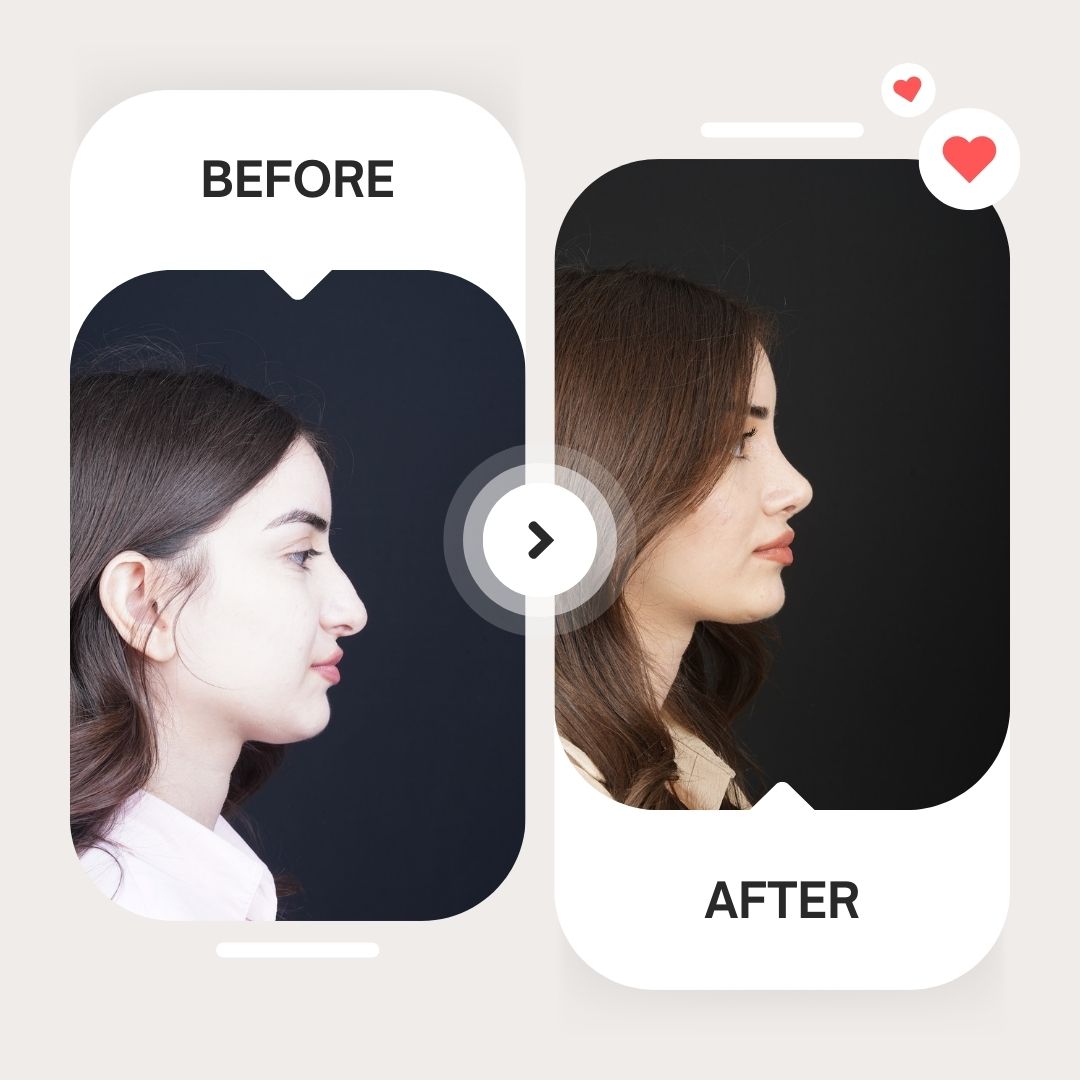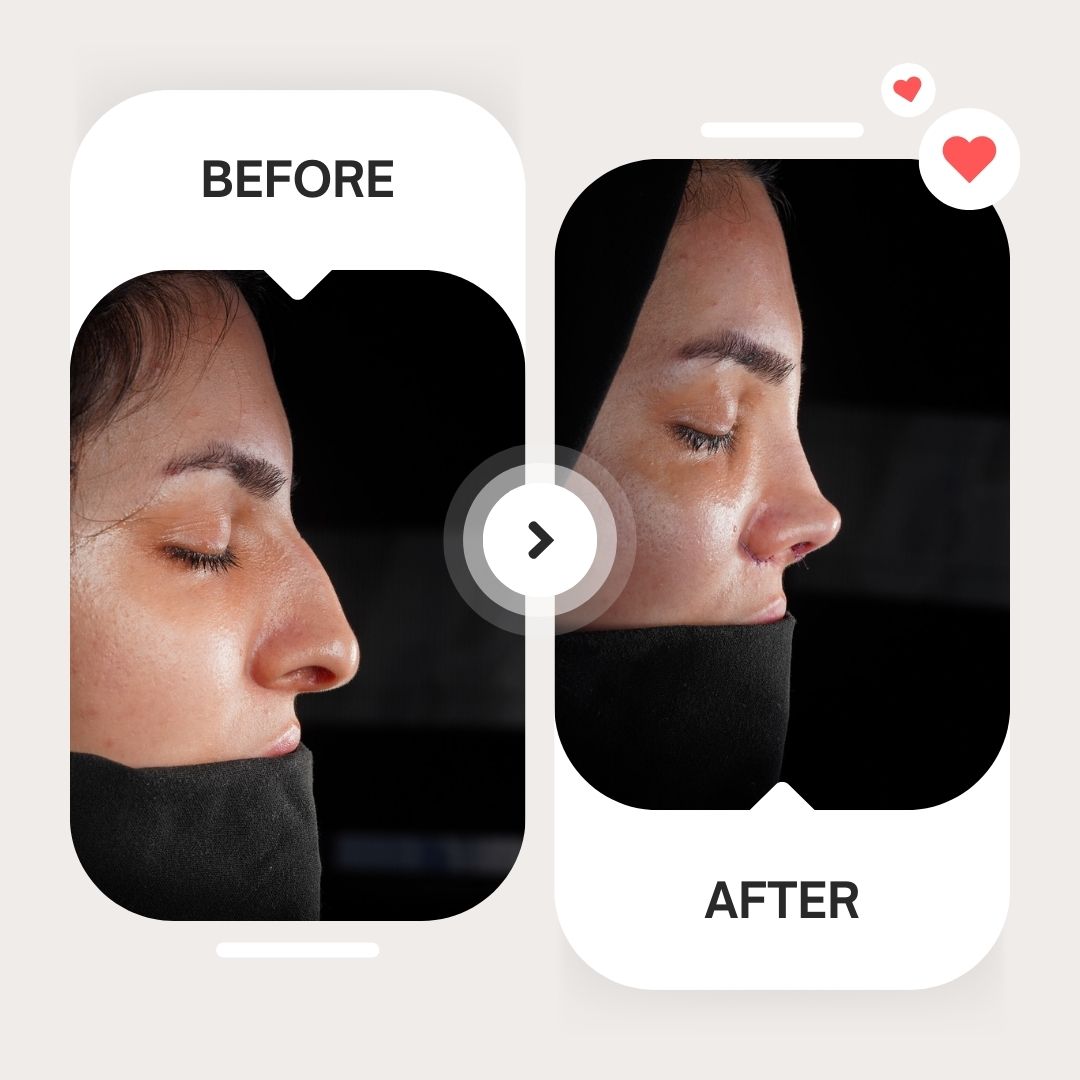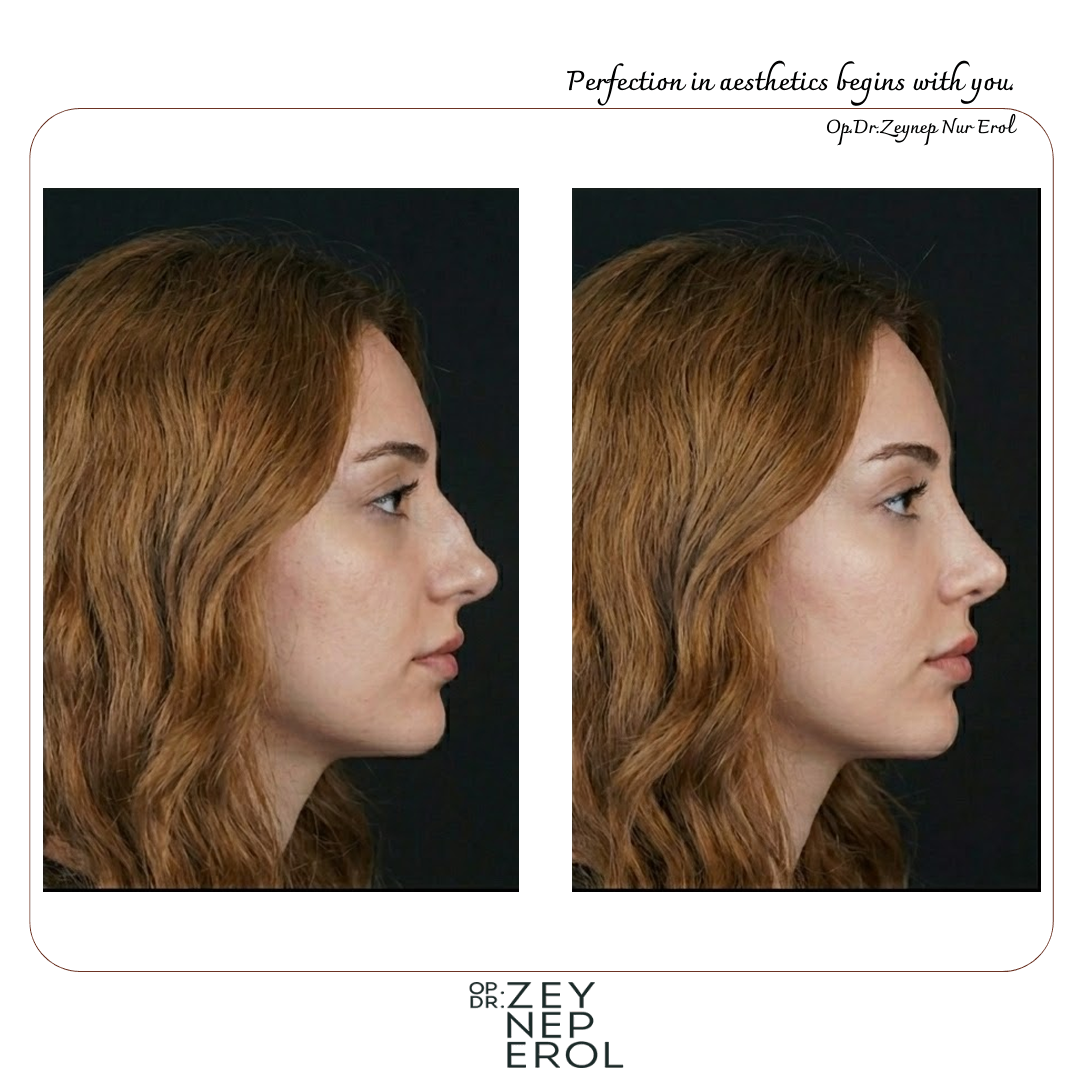
What is Revision Rhinoplasty? Revision rhinoplasty (corrective nose aesthetics) is a surgical procedure applied to individuals who have undergone one or more nose surgeries previously but are not satisfied with the aesthetic or functional results obtained. It is a special operation that requires considerable care, aimed at eliminating the unwanted effects left by the first surgery, reshaping the nose structure, and restoring healthy breathing.
Who is Revision Rhinoplasty Performed On? Patients who experience disappointment after the first surgery usually seek revision surgery for the following reasons:
Aesthetic Goals:
-
Drooping of the nasal tip or excessive elevation/sharpness after the first surgery.
-
Formation of a dip on the nasal bridge (saddle nose) or incomplete removal of the bump.
-
Asymmetrical appearance of the nose on the face or an unnatural look that is not compatible with facial features.
-
Significant disproportions remaining in the nostrils.
Functional Goals:
-
Continuation or worsening of breathing problems after the first operation.
-
Insufficient correction of internal cartilage and bone deviations (deviations).
-
Adhesions (synechiae) formed inside during the healing process blocking the airway.
Who is it Not Applicable To?
-
Those who have not yet passed a sufficient recovery period (generally 1 year) after their first surgery.
-
Individuals with severe damage/thinning in the nasal tissue and skin that cannot withstand a new surgery.
-
Those who have unrealistic and perfectionist expectations that exceed the limits of what can be done surgically.
-
Individuals with serious health problems that prevent them from undergoing general anesthesia.
When is Revision Rhinoplasty Performed? The golden rule in this operation is patience. Waiting for the right timing for a second intervention is critically important for the success of the surgery:
-
Ideally, at least 9 to 12 months should pass after the first surgery. The reason for this is that the healing of the nasal tissues, complete disappearance of swelling, and the nose taking its final shape takes this long. Early interventions before the tissues soften increase the risk.
-
In very exceptional cases; if there are emergency complications that completely block the patient's breathing and pose a serious threat of tissue loss, the doctor may decide for an earlier intervention.
If your first surgery did not end as you expected, there is no need to despair. You can contact us now to get more detailed information about the process related to revision rhinoplasty and to have a personalized assessment.