
Contents:
What is nose aesthetics (rhinoplasty)?
Rhinoplasty refers to aesthetic procedures aimed at changing the shape of the nose for aesthetic or health reasons. With rhinoplasty, it is possible to achieve a more beautiful nose that fits the facial features, as well as a nasal structure that provides the comfort of healthy breathing.
Who is Rhinoplasty (Nose Aesthetics) for?
Nose surgeries are preferred by those who do not like the appearance of their nose, those who have a deformed nose due to various injuries, or those with congenital nasal anomalies who have difficulty breathing through the nose.
In which situations should nose aesthetics be performed?
Nasal corrections are performed in an optical and healthy manner. A nose shape that is not visually appealing is preferred to one that better suits your facial features. From a health perspective, this serves to correct misalignments due to injury and ensure comfortable breathing.
Rhinoplasty can be done for reasons such as a long nose, a protruding nose, a low nasal tip, nostril size, and asymmetry. What should be considered after nose aesthetics?

After rhinoplasty, physical activity should be avoided, especially from situations that can cause injuries and increase blood pressure in the head (prolonged yawning). After the operation;
You should not exercise for a while. Avoid normal activities for 10 days and strenuous activities for 3 weeks. Casts or nasal splints after surgery should not get wet. It is recommended not to wash your head for some time after the procedure. Glasses should not be worn for the duration recommended by the doctor. To protect the nose from injuries and reduce swelling, the pillow should be placed as high as possible while sleeping. Avoid anticoagulants and certain foods to prevent injury. Teeth should not be brushed hard and quickly as it can cause excessive sensitivity at the base of the nose. A regular diet, good sleep, and speeding up healing are necessary. What are the prices of nose aesthetics (rhinoplasty)? Rhinoplasty prices vary according to the doctor's experience, the clinic where the procedure is performed, the hospital, the materials used, the cost of the team, and the city where the procedure is performed.
What are the methods of nose aesthetics?
Rhinoplasty uses open and closed techniques. These methods have various advantages and disadvantages compared to each other.

What is Open Rhinoplasty?
The surgery consists of an incision under the nostrils. It is the most preferred method in rhinoplasty. It is advantageous as it increases the surgeon's field of vision. The surgeon examines the bone, cartilage, and muscles and performs the procedure. Its disadvantage is that it takes longer. After surgery, there may sometimes be swelling at the tip of the nose.
The surgery is performed under general anesthesia. After this extremely comfortable operation, the patient spends the night in the hospital. The next day, they can return to their normal life. Generally, no pain is felt. However, swelling may be felt. It is preferred because it allows for complete visibility, the addition of new tissues, and making some changes.
What is Closed Rhinoplasty?
What is nasal obstruction aesthetics? It is called closed rhinoplasty because the incision is made from the inside of the nose. An incision of 3-4 cm is made from inside the nose to reach the cartilage and bone. The skin of the area to be treated is removed, and then the bone or cartilage is removed or added if necessary. The incision is then closed with stitches, and the surgery is completed.
The advantage of closed rhinoplasty compared to open rhinoplasty is; It takes less time, and the recovery process is faster; against;
Since open rhinoplasty is done visually, it is easier to perform. This is not possible in closed mode. It is easier to find open bleeding; finding closed bleeding is more difficult. If the doctor is not an expert, the result can be poor or complications may arise. Since it is operated on by touch, the learning curve is more difficult. Piezo Nose Aesthetics Operations performed with the Piezo (Ultrasonic Bone Cutting) device are said to not damage the soft tissue during cutting. This is a method for creating the perfect nose shape.
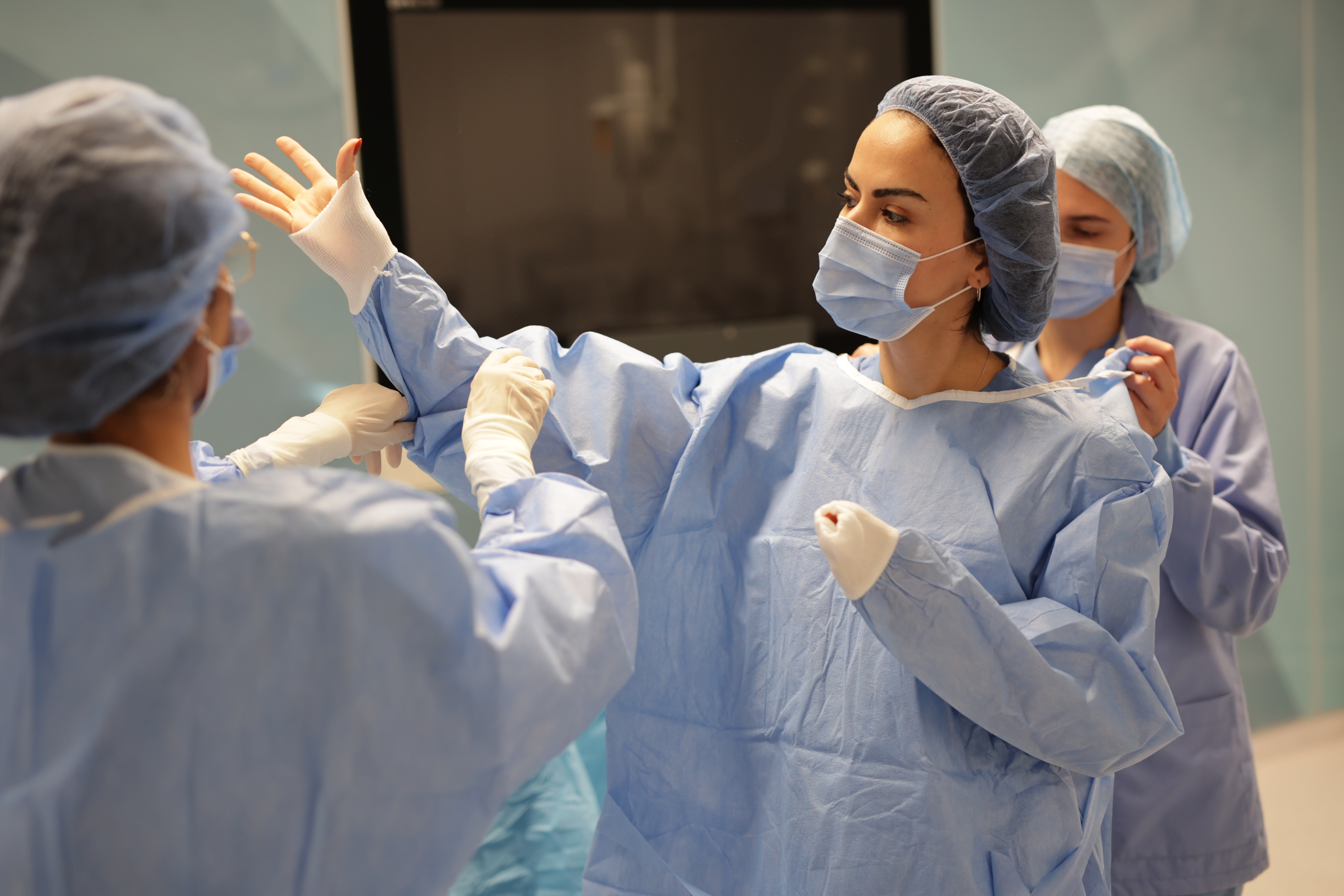
Tip Plasty This is the name of the tip surgery. Aesthetic applications are placed 1 cm away from the nasal tip. The bones are not operated on. It is preferred for width, separation, and deepening at the tip of the nose. It takes less time than rhinoplasty. This procedure lasts 1 hour, and there is no bruising or pain afterwards. This procedure, performed under local anesthesia, allows for a faster return to daily life.
Secondary Rhinoplasty Secondary rhinoplasty is the secondary surgery performed after a rhinoplasty. It is more difficult than the first surgeries because the anatomy of the nose has changed and the supply of cartilage may be insufficient. More than one-third of nose surgeries are composed of these surgeries. These procedures should be performed by specialists.
Laser for an Aesthetic Nose Laser technology can now be used in almost every clinic. It is also used to reduce nasal obstruction and pulp in nose aesthetics. Laser energy is transmitted to the nose through a fiber optic probe in the laser device. This may cause the tissue in your nose to shrink. This procedure, which takes about 10 minutes, is completely safe.
Profiloplasty These are operations performed on the angles of the forehead, nose, and chin to beautify the profile appearance of the person. In nose surgery, this is done by noting the angle between the forehead and nose, the angle made by the lip with the nose, the position of the chin forward or backward, or the angle of the lips.
Surgery of Nasal Bone and Cartilage Fractures Nasal fractures caused by trauma to the nasal bone or cartilage should be treated immediately. Because if the fracture is not treated within 1-2 hours after the fracture, it must be repaired within 2-3 days for adults and 7-10 days for children. Otherwise, the opportunity for healing may disappear. If nasal fractures are not treated, they can cause difficulty in breathing, septal deviation, concha enlargement, and cosmetic discomfort (poor appearance).
The treatment of nasal fractures is either closed reduction or nasal fracture surgery, depending on the severity of the trauma.
Closed Reduction This is the process of repositioning the displaced bone or cartilage with a special tool. It is not a surgery and must be done within 2 weeks after the injury. After the procedure, a plug is placed inside the nose, and the outer part of the nose is stabilized with a bandage or splint. The tampons are removed 2 days later, and the cast is removed after 1 week. If two weeks have passed since the trauma and no intervention has been made, nasal fracture surgery is performed. Thus, the nose is corrected both functionally and aesthetically. It is expected that 2 to 3 months pass between the injury and the nasal fracture surgery. The operation is performed under general anesthesia and lasts 2-3 hours.
Surgery of Nasal Turbinates and Deviations Surgery for nasal turbinates and deviations is one of the most commonly performed surgical interventions in our country. Nasal obstruction is often caused by a crooked nose or turbinates in the nose. To breathe properly and relax, the nasal medulla should be removed, and the nasal deviation should be corrected.
Nasal obstruction is caused by the displacement of the middle nasal wall to the right or left, termed "septal deviation"; nasal obstruction caused by the growth of structures called upper, lower, or middle turbinates in the right and left nasal cavities is referred to as "turbinate hypertrophy".
Due to the curvature of the nose and the enlargement of the turbinates, diseases such as difficulty in breathing, snoring during sleep, headaches, sore throat, middle ear infections, dry mouth and cracking due to mouth breathing, and nasal bleeding occur. Surgical correction of the nose and removal of the turbinates are necessary to remedy these disorders.
Turbinate or crooked nose surgeries are performed under general or local anesthesia at the doctor's discretion. Patients should stop taking blood thinners 1 week before the surgery.
After the surgery, there may be slight pain in the nose, and there may be crusting and nasal discharge with obstruction within two weeks. Moisturizing sprays or drops should be used to reduce crusting and dryness.